Navigating the rules for foreigners staying in Belarus can be quite a maze, especially with evolving regulations that often change. Whether you’re planning a short visit or a longer stay, understanding visa requirements, registration processes, and local laws is crucial.
From entry permits to residency guidelines, each step plays a vital role in ensuring a smooth experience. Many travelers overlook these details and end up facing unexpected challenges.
If you want to avoid those pitfalls and make your stay hassle-free, it’s essential to get the facts straight. Let’s dive into the details and get a clear picture of Belarusian foreigner stay regulations!
Understanding Visa Types and Entry Requirements
Short-Term Visas: Tourist and Business Visits
When planning a brief trip to Belarus, it’s vital to know which visa type applies to your situation. Tourist visas are generally straightforward, allowing stays up to 30 days.
However, you’ll need to provide proof of accommodation, return tickets, and sometimes travel insurance. Business visas, on the other hand, can have different documentation requirements, such as an invitation letter from a Belarusian company or organization.
It’s worth noting that some nationalities can enter Belarus visa-free for short stays, but this depends heavily on current bilateral agreements, which are subject to change.
I’ve noticed that many travelers overlook the exact dates allowed on their visa and inadvertently overstay, which can lead to hefty fines or even deportation.
Long-Term Visas: Work, Study, and Family Reunification
If you’re considering staying longer, say for work or study, the process becomes more complex. Work visas require an employer’s sponsorship and registration with local authorities.
The same goes for students, who must present enrollment confirmation from an accredited institution. Family reunification visas demand proof of relationship, often through marriage or birth certificates, and sometimes additional background checks.
Bear in mind, long-term visas often need to be converted into residence permits after arrival, which involves extra paperwork and timely registration.
My personal experience showed me that missing deadlines for registration can complicate your legal status, so it pays to be proactive and organized from day one.
Visa Exemptions and Special Cases
Belarus offers visa exemptions for certain travelers, including citizens of neighboring countries or those transiting through Minsk National Airport under specific conditions.
Additionally, diplomatic and official passport holders usually enjoy broader privileges. However, these exemptions can be tricky to navigate because they come with strict rules about allowed activities and duration of stay.
From what I’ve observed, travelers sometimes assume visa-free means unrestricted access, but engaging in work or study without the proper visa can lead to serious trouble.
It’s essential to clarify your status before arrival to avoid unexpected legal issues.
Registration Procedures After Arrival
Mandatory Registration: What You Need to Know
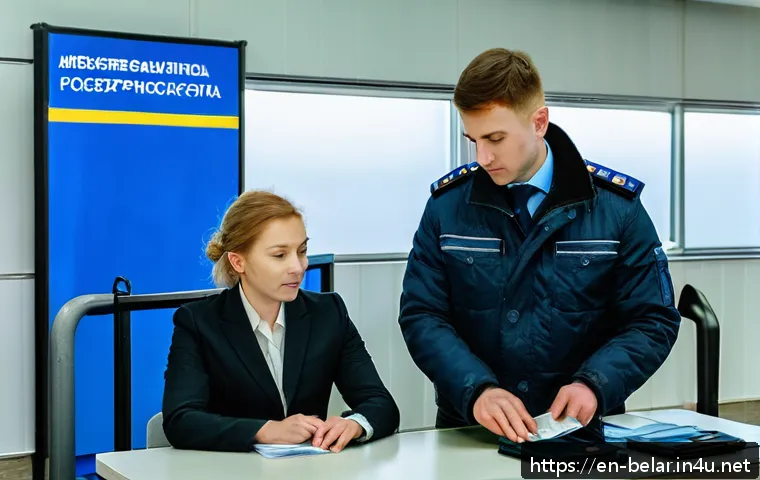
Once you arrive in Belarus, registering your place of residence within five business days is mandatory for most foreigners. This process applies whether you’re staying in a hotel, rented apartment, or with friends.
The registration typically involves visiting a local branch of the Ministry of Internal Affairs or the local police station. You will need your passport, visa, and proof of accommodation.
The process might feel bureaucratic and slow, but it’s crucial to complete it promptly. I recall a friend who delayed registration and faced fines during a routine check, which could have been avoided with timely action.
Registration for Hotels and Temporary Accommodation
Hotels and hostels usually handle registration for their guests automatically, but it’s wise to confirm this at check-in. If you’re staying in a private rental or with acquaintances, you must take responsibility for registering yourself or ensure your host does so on your behalf.
Failure to register can raise red flags with immigration authorities and potentially cause issues when you leave the country. From my experience, keeping copies of registration documents handy can save a lot of headaches during your stay.
Extending Registration and Changing Address
If your stay in Belarus extends or you decide to move to a different location, you must update your registration accordingly. Extensions are possible but require submitting updated accommodation details and sometimes additional fees.
Changing your registered address involves similar procedures and should be done as soon as your living situation changes. This step is often overlooked by foreigners, but it’s critical to maintain compliance with local laws.
I learned that even minor delays in updating registration can complicate visa renewals or future applications.
Key Residency Permits and Their Requirements
Temporary Residence Permits
Temporary residence permits allow foreigners to stay in Belarus for periods ranging from six months up to a year, with the possibility of renewal. These permits are typically issued for work, study, or family reasons and require a thorough application process, including health checks, background verification, and proof of financial means.
I found that preparing all required documents in advance and seeking professional advice can make this process smoother. The permit grants certain rights but also imposes obligations, such as regular reporting to immigration authorities.
Permanent Residence and Citizenship Pathways
For those seeking a more permanent foothold, Belarus offers routes to permanent residency and eventually citizenship, though these are quite stringent.
Permanent residency usually requires several years of continuous legal stay, stable income, and integration into society. Citizenship demands even more, including language proficiency and renouncing previous citizenship in some cases.
I’ve spoken to expats who have navigated this path successfully, emphasizing patience and meticulous adherence to regulations. It’s a long-term commitment but can open many doors for work, travel, and family stability.
Special Permits for High-Skilled Workers
Belarus has introduced special permits aimed at attracting high-skilled professionals, particularly in IT and related sectors. These permits often come with expedited processing and fewer bureaucratic hurdles, designed to encourage foreign talent to settle and contribute economically.
If you fall into this category, it’s worth exploring these options with your prospective employer. Personally, I’ve noticed that this initiative reflects Belarus’s growing focus on innovation and international collaboration, making it an interesting destination for tech specialists.
Understanding Work Authorization and Employment Rules
Work Permits: When and How to Apply
Foreigners planning to work in Belarus must secure a work permit before starting employment. The employer usually initiates the application, submitting documents to the local labor authorities.
Work permits are often tied to specific jobs and employers, meaning changing jobs requires reapplication. This system ensures local labor market protection but can feel restrictive if your plans change.
From my observation, maintaining clear communication with your employer and immigration services can prevent misunderstandings or illegal work situations.
Self-Employment and Freelance Regulations
If you’re considering freelancing or self-employment, Belarus’s rules are less straightforward. While some foreigners manage to register as individual entrepreneurs, the process involves navigating tax laws, business registration, and sometimes residency requirements.
I spoke with freelancers who found this path challenging but rewarding once set up, especially in sectors like IT and creative services. It’s advisable to consult local experts to understand tax obligations and legal compliance fully.
Labor Rights and Protections for Foreign Workers
Foreign workers in Belarus enjoy certain labor protections, including fair wages, safe working conditions, and the right to social benefits. However, enforcement can vary, and knowing your rights is crucial.
I’ve encountered cases where language barriers or lack of information led to exploitation or contract misunderstandings. Joining expatriate communities or seeking legal advice can be invaluable in safeguarding your interests.
Being informed and assertive helps ensure a fair and productive work experience.
Local Laws and Cultural Norms Affecting Foreign Residents
Legal Obligations Beyond Immigration
Living in Belarus means adhering not only to immigration rules but also to local laws concerning public behavior, traffic regulations, and taxation. For instance, alcohol consumption laws are strict, and public drunkenness can lead to fines.
Additionally, certain political expressions may be sensitive, so understanding the social climate is essential. From my experience, respecting local customs and legal expectations creates a more harmonious stay and avoids unwanted attention from authorities.
Cultural Etiquette and Social Integration Tips
To truly enjoy your time in Belarus, embracing cultural norms can make a huge difference. Greeting with a firm handshake, addressing people formally, and understanding local holidays and customs show respect and openness.
Language can be a barrier, but learning basic Belarusian or Russian phrases goes a long way in daily interactions. I found that participating in community events or local groups helped me build friendships and feel more connected, which enriched my overall experience.
Healthcare Access and Emergency Services
Accessing healthcare as a foreigner requires some planning. Belarus offers public healthcare, but non-residents often rely on private clinics or travel insurance coverage.
Knowing the locations of nearby hospitals and emergency numbers is critical. I personally recommend securing comprehensive health insurance before arrival to avoid unexpected expenses.
Also, keep in mind that prescription medications might require local authorization, so bringing necessary documents or prescriptions is wise.
Summary of Key Foreign Stay Regulations
| Aspect | Requirement | Typical Duration | Notes |
|---|---|---|---|
| Tourist Visa | Proof of accommodation, return ticket, possible insurance | Up to 30 days | Some nationalities visa-free |
| Work Visa | Employer sponsorship, registration with authorities | Varies, often 6-12 months | Must convert to residence permit |
| Registration | Register residence within 5 business days | Throughout stay | Hotels usually register guests |
| Temporary Residence Permit | Health checks, financial proof, application | 6 months to 1 year | Renewable |
| Permanent Residence | Several years legal stay, stable income | Long-term | Path to citizenship |
| Work Permit | Employer application, tied to job | Duration of employment | Required before starting work |
| Self-Employment | Business registration, tax compliance | Varies | Complex for foreigners |
Conclusion
Understanding the various visa types, registration procedures, and work regulations in Belarus is essential for a smooth and legal stay. Proper preparation and timely compliance with local requirements can save you from unexpected difficulties. Whether you’re visiting short-term or planning a long-term stay, being informed empowers you to enjoy your experience with confidence and peace of mind.
Useful Information to Keep in Mind
1. Always double-check visa validity dates to avoid overstaying and potential penalties.
2. Register your place of residence promptly after arrival to stay compliant with local laws.
3. If changing accommodation or extending your stay, update your registration without delay.
4. For work or study, secure the correct permits before starting any activity to prevent legal issues.
5. Learning basic local language phrases and cultural customs can significantly enhance your integration.
Essential Takeaways
Adhering to Belarus’s immigration and residency rules is crucial for a hassle-free experience. Timely registration and obtaining the appropriate visa or permit protect your legal status. Work authorization must be properly secured, and understanding local labor rights helps ensure fair treatment. Respecting cultural norms and legal obligations beyond immigration fosters better relationships and a safer stay. Staying organized and informed is the best strategy for a successful visit or relocation to Belarus.
Frequently Asked Questions (FAQ) 📖
Q: What types of visas are available for foreigners planning to visit Belarus, and how do I know which one I need?
A: Belarus offers several types of visas depending on the purpose and length of your stay. The most common are tourist visas for short visits, business visas for work-related activities, and student visas for educational purposes.
If you’re just passing through or staying under five days, you might even qualify for a visa-free regime in certain cases. To determine which visa suits your trip, consider the nature of your visit and its duration.
It’s always a good idea to check the latest requirements from the Belarusian embassy or official consular websites, as rules can change frequently. From my own experience, applying well in advance and providing clear documentation helps avoid last-minute stress.
Q: Is it mandatory for foreigners to register their place of residence during their stay in Belarus? How does the registration process work?
A: Yes, registration is a legal requirement for most foreigners staying in Belarus beyond five days. This process involves notifying local authorities of your address, which helps the government keep track of visitors.
Typically, your hotel or host will assist with registration if you’re staying in a hotel or rented accommodation. If you’re staying with friends or family, the responsibility falls on the host to register your presence.
The process usually involves submitting your passport and visa details to the local registration office within a few days of arrival. From what I’ve seen, failing to register can lead to fines or complications when exiting the country, so it’s best to handle this promptly.
Q: What local laws or customs should foreigners be aware of to avoid problems while staying in Belarus?
A: Understanding local laws and customs is crucial to having a smooth stay in Belarus. For instance, public behavior is expected to be respectful; public intoxication or disorderly conduct can result in fines or even detention.
Drug laws are strict, with severe penalties for possession or trafficking. It’s also important to carry your passport with you at all times, as police may request identification.
Additionally, photographing certain government buildings or military sites is prohibited. From my time living there, I noticed that blending in by respecting local customs, such as modest dress in religious sites and polite greetings, goes a long way in avoiding misunderstandings.
Staying informed and cautious ensures your visit remains trouble-free.