Planning to cross the Belarus border in 2024? With recent shifts in travel regulations and heightened security measures, navigating this route can feel a bit overwhelming.
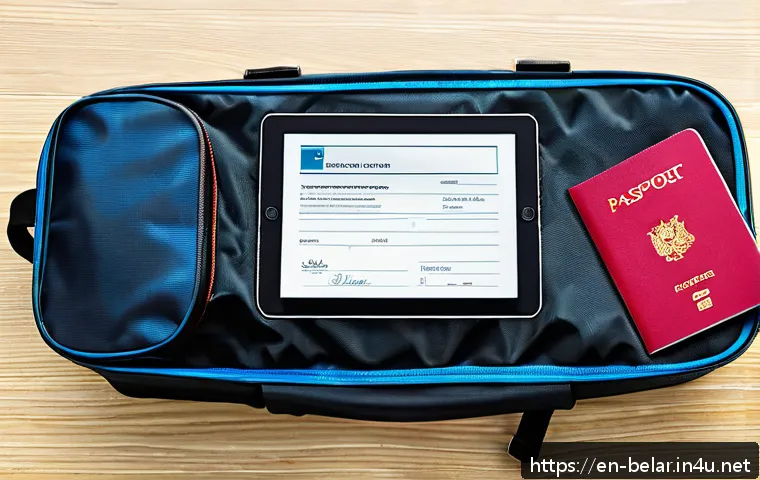
But don’t worry—whether you’re heading for business or adventure, understanding the latest updates is key to a hassle-free experience. In this guide, I’ll share insider tips and practical advice based on firsthand experiences to help you cross smoothly and safely.
Stick around, and you’ll be well-prepared to tackle the border like a pro. Let’s dive into what you need to know before you go!
Essential Documents and Visa Requirements
Understanding Visa Policies for Belarus Entry
When planning to cross the Belarus border, the first thing you want to nail down is the visa requirements. Belarus has recently updated its visa policies, so it’s crucial to check if your nationality qualifies for visa-free entry or if you need to apply in advance.
For example, citizens from the European Union, the United States, and several other countries may benefit from a visa-free regime for short stays, typically up to 30 days.
However, this can vary depending on your point of entry, so always verify the latest rules from official government sources or trusted travel advisories before your trip.
Missing this step can lead to unexpected delays or denials at the border, which is the last thing you want after a long journey.
Must-Have Documents for a Smooth Crossing
Aside from your passport and visa, there are other documents you should have ready. Proof of accommodation, travel insurance covering Belarus, and a return or onward ticket often come into play during border inspections.
From my own experience, having printed copies and digital backups saved on your phone can save you from scrambling under pressure. Also, if you’re carrying items that might raise questions—like high-value electronics or gifts—be prepared to declare them honestly.
Border officers appreciate transparency, and it helps avoid unnecessary complications.
Special Permits and Exceptions
Certain travelers might need additional permits, such as those crossing for work or study, or participants in specific cultural or sporting events. Belarus sometimes grants temporary stay permissions under special conditions, but these must be arranged beforehand.
If you’re traveling with pets or large amounts of currency, separate documentation and health certificates are mandatory. I once had to navigate this when crossing with a pet, and trust me, sorting it out ahead of time made all the difference.
Latest Security Checks and Border Procedures
What to Expect at the Checkpoints
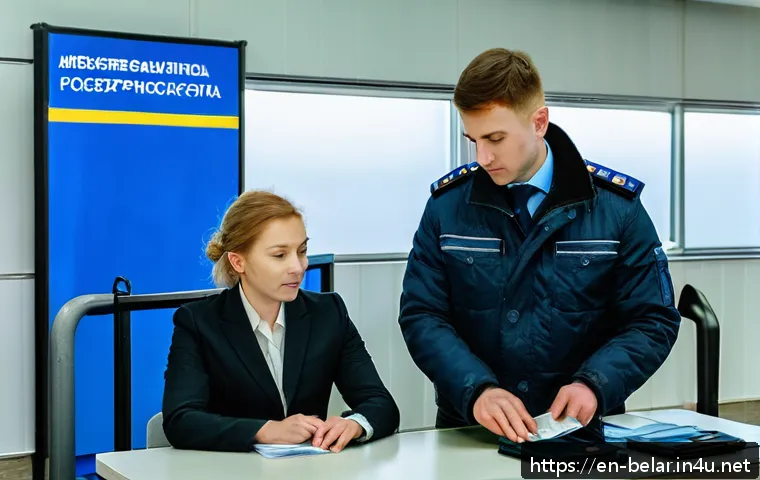
The Belarus border has tightened security measures in recent years, reflecting broader geopolitical shifts. Expect thorough inspections, including biometric scans and detailed questioning about your travel plans.
Officers may ask about your itinerary, purpose of visit, and even your contacts within Belarus. This can feel intimidating, but staying calm and answering clearly is your best bet.
From my border crossings, I noticed that showing confidence and respect speeds up the process significantly.
Tips for Handling Customs Declarations
Customs can be a sticking point if you’re not prepared. Belarus has strict rules on what goods can be brought in duty-free or declared. Alcohol, tobacco, and electronics have specific limits, and anything beyond those must be declared and possibly taxed.
I recommend checking the customs website before you pack and organizing your bags so that any declared items are easily accessible for inspection. Also, keep receipts handy to prove the value of your goods, which can save you from unnecessary fines.
Technology and Border Control Innovations
Belarus has started using more advanced technologies like facial recognition and automated passport control in some crossings. While this speeds up the process, it also means you need to make sure your travel documents are in perfect order.
I’ve seen travelers caught off guard when their passports had minor damages or outdated information. Double-check your documents and keep your phone charged—sometimes you’ll need to show digital confirmations or e-visa approvals.
Border Crossing Routes and Transport Options
Main Land Border Crossings
Belarus shares borders with five countries—Russia, Ukraine, Poland, Lithuania, and Latvia—and each crossing point has its own set of rules and traffic conditions.
For example, the crossing from Poland is popular for travelers heading to Minsk but can get busy during weekends and holidays. On the other hand, the Russian border tends to be less congested but has stricter controls.
If you’re driving, consider the time of day and day of the week to avoid long waits. Public transportation options like buses and trains also serve some border points, but schedules can be irregular, so plan ahead.
Crossing by Car: What You Need to Know
If you’re planning to drive across the border, make sure your vehicle paperwork is in order. This includes registration documents, proof of insurance valid in Belarus, and sometimes a letter of authorization if you’re not the vehicle owner.
Border guards will inspect your vehicle, so it’s helpful to keep it clean and organized to avoid delays. I recall a trip where a messy car led to extra scrutiny, causing a frustrating wait.
Also, note that Belarus requires drivers to carry a reflective vest, warning triangle, and first aid kit, so pack these essentials.
Public Transport and Walking Crossings
For those not traveling by car, several border points allow pedestrian crossing and have bus or train services nearby. Walking across can be quicker if traffic is heavy, but always check the opening hours since some pedestrian checkpoints close earlier than vehicle ones.
Bus services connecting major cities to border towns are frequent but can be crowded, especially in peak seasons. I’ve found that booking tickets in advance and arriving early helps avoid last-minute stress.
Health and Safety Precautions at the Border
Current Health Screening Measures
In light of ongoing global health concerns, Belarus has implemented health screening protocols at its borders. These may include temperature checks, health declarations, and in some cases, proof of vaccination or negative test results.
Though restrictions have eased compared to previous years, it’s wise to carry your vaccination records and any recent test reports just in case. From personal experience, being prepared with these documents has prevented delays and awkward conversations with border officials.
Emergency Contacts and Medical Facilities
Knowing where to turn if you encounter health issues near the border is crucial. Several border towns have clinics and pharmacies, but language barriers can make communication tricky.
Downloading translation apps and having emergency contact numbers saved on your phone will be invaluable. I once needed urgent medication right after crossing, and having a local pharmacy’s contact saved made a stressful situation much easier.
Travel Insurance Recommendations
Comprehensive travel insurance is not just a good idea—it’s almost essential. It should cover medical emergencies, trip cancellations, and even lost luggage.
Belarusian healthcare for foreigners can be costly without insurance, and not all providers accept international cards. When I traveled, choosing an insurance plan that included 24/7 assistance and coverage for border delays gave me peace of mind and saved me money when unexpected issues arose.
Customs Regulations and Prohibited Items
What You Can and Cannot Bring into Belarus
Belarus customs has clear rules on prohibited and restricted items. Weapons, narcotics, certain plants and animals, and some food products are strictly forbidden.
Additionally, there are limits on cash amounts and luxury goods you can bring without declaring. Make sure you familiarize yourself with these lists to avoid confiscation or fines.
I once had to surrender some food items unknowingly, which was a hassle I could have avoided with a quick check.
Declaring Goods and Currency Limits
If you’re carrying goods above the duty-free allowance or large sums of money (generally over 10,000 euros or equivalent), you must declare them. Failure to do so can result in penalties or even legal action.
It’s best to be upfront at the customs desk and have all receipts and documents ready. My advice is to keep everything well-organized and stay calm during the declaration process—border officers appreciate honesty and cooperation.
Tips for Avoiding Common Customs Pitfalls
Avoid packing items that might raise suspicion, such as large amounts of alcohol or expensive electronics without proof of purchase. Also, be mindful of gifts or souvenirs you bring back, especially if they’re handmade or culturally sensitive.
I’ve seen fellow travelers get held up because they didn’t declare gifts properly, so always ask if you’re unsure. Being polite and clear with customs officers goes a long way in smoothing your crossing.
Useful Tips for a Stress-Free Border Experience
Timing Your Crossing to Avoid Delays
One of the best ways to reduce stress at the border is to plan your crossing during off-peak hours. Early mornings or late evenings tend to be less busy, especially on weekdays.
Avoid weekends and holidays if possible, as these times see a surge in travelers and longer queues. Personally, I’ve found that a bit of flexibility in travel plans can save hours stuck waiting in line.
Packing Smart for the Border Control Process
Organize your documents and belongings so that you can present them quickly when asked. Keep your passport, visa, and any supporting papers in an easily accessible pocket or folder.
Avoid overpacking your carry-on to make security checks smoother. From my experience, having a separate pouch for electronics and liquids also helps speed up the inspection process.
Dealing with Language Barriers and Communication
Not all border officials speak fluent English, so learning a few basic Russian or Belarusian phrases can be a game-changer. Simple greetings and polite expressions go a long way in creating a positive impression.
Additionally, having translation apps downloaded offline can help bridge gaps when needed. When I crossed the border the first time, knowing just a handful of local words made the interaction friendlier and less stressful.
| Aspect | Key Points | Traveler Tips |
|---|---|---|
| Visa & Documents | Check visa exemptions; carry travel insurance, accommodation proof | Keep physical and digital copies; double-check expiry dates |
| Security & Customs | Expect biometric scans, detailed questioning; declare goods honestly | Organize items for inspection; have receipts for valuables |
| Transport Options | Multiple border points with varying traffic; car documents required | Plan crossing times; pack driver essentials; consider public transport schedules |
| Health & Safety | Health checks may apply; carry vaccination/test documents | Purchase comprehensive travel insurance; know local emergency contacts |
| Customs Rules | Restrictions on certain goods; currency declaration above limits | Declare large sums; avoid prohibited items; be transparent |
| Communication | Language barriers common; limited English at some checkpoints | Learn basic local phrases; use translation apps; remain polite |
In Conclusion
Crossing the Belarus border requires careful preparation and awareness of the latest regulations. Being informed about visa policies, documentation, and border procedures will help you avoid unnecessary delays. From personal experience, staying organized and respectful during inspections makes the process much smoother. With the right planning, your journey through Belarus can be hassle-free and even enjoyable.
Helpful Information to Keep in Mind
1. Always verify visa requirements for your nationality before traveling to avoid surprises at the border.
2. Carry both physical and digital copies of important documents like passports, visas, and travel insurance.
3. Plan your border crossing during off-peak hours to reduce waiting times and stress.
4. Familiarize yourself with customs regulations, and declare any goods or currency above allowed limits honestly.
5. Learning basic local phrases or using translation apps can greatly improve communication with border officials.
Key Takeaways for a Smooth Border Crossing
Understanding and complying with Belarus’s visa and document requirements is essential for entry. Prepare for thorough security checks by organizing your belongings and remaining calm during questioning. When crossing by vehicle, ensure all paperwork and safety equipment are in order. Health precautions remain important, so carry vaccination or test documentation along with comprehensive travel insurance. Lastly, respecting customs rules and maintaining clear communication will help you avoid common pitfalls and enjoy a seamless crossing experience.
Frequently Asked Questions (FAQ) 📖
Q: What documents do I need to cross the Belarus border in 2024?
A: To cross the Belarus border smoothly, you’ll need a valid passport with at least six months of validity remaining. Depending on your nationality, a visa might be required, so check the latest visa policies before you travel.
Additionally, proof of onward travel and sufficient funds may be requested. If you’re traveling for business or long stays, having an invitation letter or official documentation can help speed up the process.
Based on my recent crossing, having all these documents organized and easily accessible made a huge difference in avoiding delays.
Q: Are there any new security measures or restrictions at the Belarus border I should be aware of?
A: Yes, the Belarus border has tightened security in 2024, partly due to geopolitical developments. Expect more thorough passport checks, possible vehicle inspections, and increased questioning by border officers.
Electronic devices like phones and laptops might be subject to inspection, so it’s wise to back up your data and minimize sensitive content on these devices.
From my experience, staying calm, polite, and cooperative with border agents helps the process go much smoother—even when the scrutiny feels intense.
Q: Can I use public transportation to cross the border, or is it better to drive?
A: Both options are possible, but each comes with pros and cons. Public buses and trains crossing Belarus are available and often cheaper, but they might have stricter luggage checks and less flexibility in timing.
Driving your own car or renting a vehicle gives you more control over your schedule and stops, but be prepared for longer inspection times and ensure your car insurance covers Belarus.
Personally, I found driving more convenient for flexibility, but if you prefer a hassle-free option without worrying about paperwork for a vehicle, public transport can be a solid choice—just plan ahead to avoid peak times.