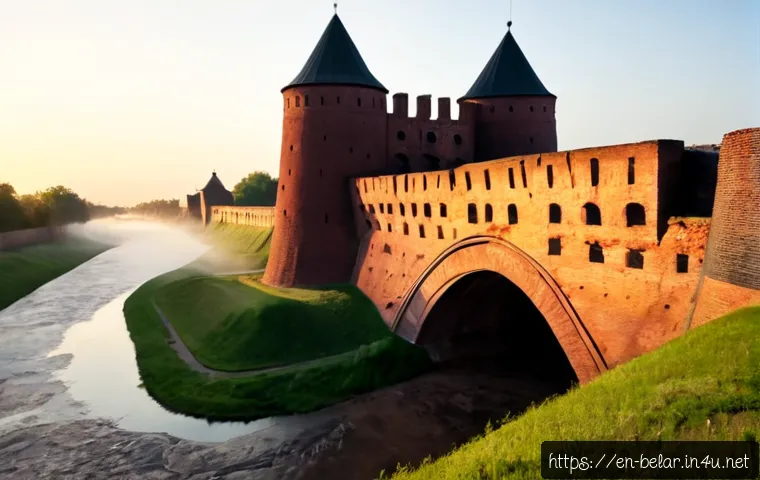
Thinking about where to launch your next big venture? You might not immediately think of Belarus, but from what I’ve been researching, it’s a country that always sparks fascinating conversations among entrepreneurs and investors.
Nestled at the crossroads of Eastern Europe, it definitely presents a unique blend of potential and complexity, a real mixed bag that truly challenges your business acumen.
I’ve personally been diving deep into the latest trends and what’s unfolding on the ground, and let me tell you, it’s not a straightforward picture, which makes it all the more intriguing for those who love a good challenge.
On one hand, Belarus boasts a highly skilled and educated workforce, especially in its surprisingly robust IT sector, which has garnered international attention for its talent and innovation.
We’re talking about developers who are building some seriously impressive tech. Plus, its strategic location within the Eurasian Economic Union offers a gateway to massive markets that many overlook.
You’ll find appealing tax incentives in specialized Free Economic Zones and its famed Hi-Tech Park, designed to draw in foreign capital and expertise.
It truly feels like there’s a genuine effort to streamline the process for new businesses, with government bodies like the National Agency of Investment and Privatization actively offering support.
However, it would be disingenuous of me not to mention the elephant in the room. The current geopolitical climate and the impact of international sanctions mean navigating this landscape requires a keen understanding of the nuances.
I’ve observed that businesses from what are termed “unfriendly states” face specific regulatory hurdles and increased costs, which is a critical consideration.
The economy also leans heavily on its relationship with Russia, and while this brings certain advantages, it also comes with its own set of risks and dependencies that any savvy investor needs to weigh carefully.
There’s also been an undeniable outflow of some talent and companies, particularly in the tech space, which points to the underlying pressures. Inflation is a constant companion, and the state-controlled nature of significant economic sectors means you’re not always dealing with a purely free-market environment.
So, while the opportunities in areas like manufacturing, agriculture, and high-tech remain for those willing to do their homework, understanding these dual realities is absolutely key.
It’s a market where a thorough, boots-on-the-ground approach isn’t just recommended; it’s essential for long-term success. You might even find surprising growth pockets, especially in import substitution and regional development, if you know where to look.
It’s certainly not for the faint of heart, but for the right business, with the right strategy, Belarus could be an incredibly rewarding venture. Let’s explore this fascinating and complex business landscape together, and I’ll walk you through everything you need to know.
Navigating the Regulatory Maze: What You Need to Know
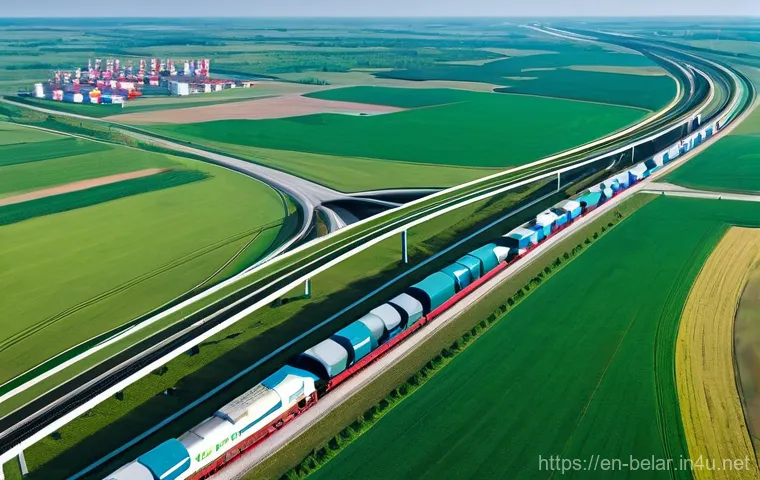
So, you’ve made the bold decision to explore Belarus for your business. Fantastic! But before you jump in, let’s talk about the nitty-gritty: the regulatory environment. From what I’ve personally experienced and observed, this isn’t a “set it and forget it” kind of place. It demands attention, diligence, and perhaps a good local legal advisor – someone who really understands the lay of the land. Starting a company here involves a series of steps that might feel a bit different from what you’re used to in Western markets. We’re talking about everything from registering your entity, which can be done relatively smoothly if you have all your ducks in a row, to understanding the nuances of obtaining necessary permits and licenses. My advice? Don’t skimp on professional advice in this area. It will save you headaches and potential missteps down the line. I’ve seen businesses struggle because they underestimated the importance of local legal expertise. It’s not about complex laws being overtly difficult; it’s more about the specific procedural steps and understanding where flexibility exists and where it absolutely doesn’t. You’ll find that while some processes are quite streamlined, others require a more hands-on approach with various state bodies. The National Agency of Investment and Privatization (NAIP) is a solid first stop, and I’ve found their teams generally helpful, but always remember to double-check information and have a clear action plan. It’s a landscape where thoroughness truly pays off, and a pragmatic approach will serve you far better than rushing through the details.
Understanding Business Entity Types
When you’re thinking about setting up shop, you’ll usually be looking at options like a Limited Liability Company (LLC) or a Joint Stock Company (JSC). From my perspective, an LLC is often the most straightforward and popular choice for foreign investors, especially for smaller to medium-sized operations. It offers a good balance of protection and operational flexibility, which is crucial when you’re just getting your feet wet. For larger ventures or those looking to raise capital through public offerings, a JSC might be more appropriate, but it comes with stricter regulations and reporting requirements. I’ve always leaned towards simplicity when possible, and for most new entrants, the LLC structure just makes practical sense. It’s about minimizing initial complexity while allowing for growth. Remember to consider the share capital requirements and the responsibilities of the director. Knowing these details upfront will make your registration process much smoother. Don’t underestimate the foundational choices you make here; they can significantly impact your operational agility and long-term compliance. This is where a clear understanding of your business goals aligns with the most suitable legal structure.
Navigating Specific Regulations and Compliance
Beyond the basic setup, you’ll encounter specific regulations depending on your industry. If you’re in tech, the Hi-Tech Park offers a relatively progressive and favorable regulatory regime, almost like a separate micro-economy with its own rules. But outside of that, you’ll need to understand labor laws, which can be quite detailed, and environmental regulations, particularly if you’re in manufacturing or agriculture. Taxation, too, has its own intricacies, with various rates and incentives depending on your activity and location. This is where that local legal and accounting advice becomes absolutely invaluable. I’ve found that staying compliant from day one is not just good practice, it’s essential for long-term operational stability. The authorities here generally appreciate businesses that make a genuine effort to understand and follow the rules. It’s not just about avoiding penalties; it’s about building a reputation for reliability and trust within the local business community, which, believe me, goes a very long way in ensuring smooth operations and interactions.
Unlocking Belarus’s Tech Talent: A Goldmine for Innovation
Let’s talk about what genuinely excites me about Belarus: its incredible talent pool, especially in the IT sector. If you’re looking to scale up your tech operations or simply tap into a highly skilled workforce, this country offers something truly special. I’ve personally seen the quality of developers coming out of Belarusian universities, and it’s consistently impressive. They’re not just technically proficient; they often have a strong foundation in mathematics and logic, which translates into robust problem-solving skills and an ability to tackle complex challenges with a fresh perspective. The Hi-Tech Park (HTP) in Minsk, which I’ve mentioned before, isn’t just a tax haven; it’s a vibrant ecosystem that has fostered an environment of innovation and entrepreneurship, almost like its own little Silicon Valley in Eastern Europe. Companies within the HTP benefit from significant tax breaks and simplified administrative procedures, which makes it incredibly attractive. I’ve talked to countless entrepreneurs who have successfully built entire R&D centers and software development teams here, praising the work ethic and the competitive cost structure. Yes, there’s been some talent outflow due to recent events, which is a real challenge, but the core strength and educational infrastructure remain robust. The resilience and adaptability of the local tech community are truly something to behold, always finding ways to innovate and push forward.
Recruiting and Retaining Top Developers
When it comes to recruitment, you’ll find a competitive market, but one where top talent is still accessible. Online platforms and local recruitment agencies are your best bet. I’ve often advised businesses to focus on creating a positive work culture, offering professional development opportunities, and providing competitive salaries to attract and retain the best. It’s not just about the money; Belarusian professionals often value stability, interesting projects, and a clear career path. The tech community is quite close-knit, so word-of-mouth and a good reputation can go a long way. Building strong relationships with local universities can also give you an early advantage in spotting promising graduates, perhaps even before they hit the job market. Don’t underestimate the power of an engaging company culture that respects technical expertise and fosters continuous learning. It’s truly a long-term investment, and from what I’ve seen, it pays off handsomely here, yielding not just skilled workers but also dedicated team members who contribute to a thriving environment.
Beyond Coding: Exploring Diverse Skill Sets
While IT often steals the spotlight, don’t overlook other highly skilled areas. Belarus also boasts strong educational foundations in engineering, manufacturing, and even agricultural sciences. If your venture extends beyond pure software, you’ll likely find skilled workers capable of complex tasks, demonstrating a high degree of precision and problem-solving ability. The educational system has traditionally emphasized rigorous training in fundamental sciences, which means you’ll find a workforce that’s adaptable and capable of learning new skills quickly, making them valuable assets across various industries. I remember visiting a manufacturing facility near Minsk and being genuinely impressed by the precision and expertise of the local engineers. They were working with advanced machinery and processes, demonstrating a keen understanding of modern industrial practices and a commitment to quality. So, while you might come for the tech, you might stay for the broader pool of educated and dedicated professionals who are ready to contribute to your success in unexpected ways.
Strategic Location: Your Gateway to Eastern Markets
One of Belarus’s biggest, yet often underestimated, assets is its geographical position. Seriously, take a look at a map. Nestled right at the heart of Europe, it acts as a crucial land bridge between the larger markets of the European Union and the vast Eurasian Economic Union (EAEU), which includes Russia, Kazakhstan, Armenia, and Kyrgyzstan. This isn’t just a trivial detail; it’s a massive strategic advantage for any business looking to optimize logistics and tap into diverse consumer bases. I’ve heard countless stories from companies that have leveraged this location to streamline their supply chains, particularly for goods moving East-West. The well-developed road and rail networks are incredibly efficient, which significantly reduces transit times and costs compared to sea or air freight for certain types of products. Think about it: a distribution hub in Belarus could effectively serve millions across multiple countries with relative ease, offering unparalleled access. This interconnectivity is a game-changer for businesses focused on export and import, providing a tangible competitive edge in terms of market access and distribution efficiency that is hard to replicate elsewhere in the region.
Tapping into the Eurasian Economic Union
The EAEU presents a customs union with free movement of goods, services, capital, and labor. For businesses operating within Belarus, this means direct, tariff-free access to a market of over 180 million people. I’ve seen businesses use this to their full advantage, setting up production or assembly operations in Belarus to then easily distribute their products throughout the EAEU without facing additional customs duties or complex border procedures. This is a massive simplification for market entry and expansion into these Eastern markets, eliminating many of the traditional barriers to trade. It’s a powerful incentive, especially if your business model thrives on economies of scale and broad market reach, allowing you to quickly scale up and capture significant market share. However, it’s vital to understand the EAEU’s technical regulations and standards, as these can differ from those in the EU or other international bodies. A local expert can help navigate these details, ensuring your products meet all necessary requirements.
Logistics and Infrastructure Advantages
Beyond just market access, the logistical infrastructure in Belarus is quite robust. I’ve been particularly impressed by the efficiency of their railway system, which is critical for heavy goods and bulk transport. The country has made significant investments in upgrading its transportation corridors, aligning with wider European and Asian transport initiatives. This infrastructure supports not just trade, but also transit, meaning that businesses not even primarily targeting the Belarusian market can use it as an efficient transit point for their goods, minimizing delays and costs. I’ve personally observed that their customs procedures, while requiring meticulous documentation, are generally well-organized, especially within the Free Economic Zones. This makes the movement of goods predictable, which is a huge plus for supply chain management. If your business relies heavily on physical goods movement, Belarus should definitely be on your radar as a strategic logistical hub.
Understanding the Economic Landscape and its Nuances
Let’s get real about the Belarusian economy. It’s definitely not a carbon copy of Western market economies, and understanding its unique rhythm is absolutely key to success. From my vantage point, it’s a mixed bag, blending elements of market-driven enterprise with a significant degree of state involvement, particularly in larger sectors. This means you’ll encounter state-owned enterprises playing a dominant role in areas like heavy industry, energy, and certain aspects of agriculture. For a foreign investor, this translates into a need for careful due diligence and a nuanced approach. While the private sector, especially in tech and small to medium-sized businesses, is dynamic and growing, the overall economic policy often reflects a centralized approach. I’ve noticed that government decisions can have a substantial impact on various industries, so staying informed about policy shifts is non-negotiable. Inflation, too, is a constant companion, and managing currency risks becomes a critical part of your financial planning here. It’s not a market for the faint-hearted or those who prefer a purely hands-off government approach, but for those who understand and adapt, there are definite opportunities that can be unlocked with the right strategy and local insights.
The Role of State-Owned Enterprises and Private Sector Growth
The economy still has a strong state presence, which means understanding the interplay between state enterprises and the emerging private sector is vital. While the state-controlled sectors offer stability in some areas, they can also present competition or require specific engagement strategies. However, the private sector, particularly in services, retail, and IT, has shown remarkable resilience and growth, driven by an innovative spirit. I’ve seen numerous successful private ventures, often spearheaded by innovative local entrepreneurs who are adept at navigating the local context and identifying unmet market needs. For foreign investors, identifying partnerships with strong, reputable local private companies can be an excellent strategy. They bring invaluable local knowledge and networks that can smooth your path significantly. It’s about finding that sweet spot where your business can thrive without running head-on into state-dominated areas, or finding ways to complement them to create mutually beneficial outcomes.
Navigating Economic Challenges: Inflation and Geopolitical Factors
It would be irresponsible not to mention the ongoing economic challenges. Inflation is a persistent issue, and its impact on purchasing power and operational costs needs to be meticulously factored into your business plan. Currency stability, while improved at times, can still be a concern, necessitating careful hedging strategies and robust financial management. Furthermore, the geopolitical environment, as highlighted in the introduction, casts a long shadow. International sanctions, particularly those affecting financial transactions and specific sectors, mean that businesses from certain regions, often referred to as “unfriendly states,” face additional hurdles. This can include increased banking scrutiny, higher costs for international transfers, and a more complex operating environment. I’ve heard directly from businesses that this requires constant vigilance and a flexible approach, always being prepared to adapt to rapidly changing circumstances. It’s a landscape that demands not just business savvy, but also an acute awareness of global politics and its local repercussions, making continuous monitoring essential.
Key Sectors Ripe for Investment: Where to Look First
Alright, so we’ve talked about the challenges and the talent. Now, let’s pivot to where the real opportunities lie for savvy investors. From my deep dives and conversations with local experts, Belarus isn’t just a one-trick pony; it offers diverse avenues for growth, especially if you’re willing to do your homework and think strategically. Beyond the obvious allure of the IT sector, which we’ve already covered, there are several other areas that truly stand out. Manufacturing, particularly for export-oriented production, remains a significant pillar of the economy, benefiting from a skilled workforce and strategic location. Agriculture, given the country’s fertile lands and focus on food security, also presents intriguing prospects, particularly in value-added processing and modern farming techniques. I’ve seen impressive innovations in these traditional sectors, proving that there’s a strong drive towards modernization and efficiency, and a desire to meet both domestic and international demand for quality products. It’s about looking beyond the surface and identifying those niches where local expertise meets market demand, both domestically and internationally, fostering sustainable growth.
Unleashing Potential in Manufacturing and Agriculture
If your business is in manufacturing, you might find attractive opportunities, especially within the Free Economic Zones (FEZs). These zones offer a range of tax and customs incentives that can significantly reduce operational costs and boost your competitiveness, making them incredibly appealing for production-oriented businesses. I’ve visited several manufacturing plants here, focusing on everything from automotive components to specialized industrial machinery, and the level of engineering skill is genuinely impressive. Similarly, in agriculture, Belarus has a strong tradition, and there’s a growing emphasis on modern farming techniques, organic produce, and advanced food processing. This is a sector ripe for investment in technology, equipment, and even direct production if you have the right expertise. Consider areas like dairy processing, meat production, or grain refinement, where there’s a clear path to value creation. The focus on import substitution also means there’s a domestic demand for locally produced, high-quality goods that previously might have been imported, presenting a ready market.
Emerging Niches: From Logistics to Green Tech
Beyond the traditional heavyweights, I’m keeping a close eye on several emerging niches. Given its strategic location, logistics and warehousing services are naturally growing, capitalizing on the country’s position as a transit hub. As cross-border trade evolves, the demand for efficient storage, distribution, and multimodal transport solutions will only increase, creating a fertile ground for investment in infrastructure and services. Another area gaining traction, albeit slowly, is green technology and renewable energy. While still nascent, there’s a growing awareness and some initial government support for projects focused on energy efficiency, waste management, and alternative energy sources. I believe this sector holds significant untapped potential for those willing to be early movers, especially with increasing global pressure for sustainable solutions. Healthcare technology and biotechnology are also areas where the scientific base could be leveraged, though these often require more specialized regulatory navigation and longer development cycles.
To help visualize some of the key incentives, here’s a quick overview of what’s available:
| Incentive Program/Zone | Key Benefits for Investors | Eligibility/Focus |
|---|---|---|
| Hi-Tech Park (HTP) | Exemption from corporate income tax, VAT, real estate tax, and land tax for residents. Reduced income tax for employees (9%). Simplified foreign currency operations. | IT companies, R&D centers, software development, data processing, cybersecurity, blockchain. |
| Free Economic Zones (FEZs) | Exemption from corporate income tax, real estate tax, land tax, and customs duties on imported equipment and raw materials. Reduced VAT rates. | Manufacturing, logistics, export-oriented production, import substitution projects. Specific capital investment requirements may apply. |
| Small and Medium-Sized Business Support | Various financial and advisory support programs, including preferential loans and grants for innovative projects. Simplified tax regimes for certain small businesses. | Local and foreign SMEs, particularly in innovative sectors or those creating new jobs. |
Overcoming Challenges: Practical Tips for Success
Let’s be frank: doing business in Belarus isn’t without its challenges. But for every hurdle, there’s usually a way to navigate it, especially if you’re armed with the right approach and a healthy dose of patience. From my experience, the key really lies in thorough preparation and building strong local relationships. It’s not a market where you can just parachute in and expect things to magically fall into place without effort or understanding. Understanding the cultural nuances, the legal framework, and the political economy is paramount. I’ve learned that having a reliable local partner, whether it’s a co-founder, a seasoned manager, or a trusted legal firm, can make all the difference. Their insights into local customs, unwritten rules, and practical problem-solving are simply invaluable. Don’t try to go it alone, especially in the initial stages. Seek out mentorship and advice from others who have successfully navigated this landscape; their wisdom can save you a lot of time and potential missteps. It’s about building a robust support network that can help you weather any unexpected storms and capitalize on emerging opportunities.
Building Strong Local Partnerships
This is perhaps the most critical piece of advice I can offer. A strong local partner brings not just market insights but also invaluable connections and a deep understanding of local business etiquette. Whether it’s finding the right distributors, suppliers, or even understanding how to best engage with government bodies, a local partner can smooth many paths that might otherwise be riddled with obstacles. I’ve seen businesses thrive because they invested time in finding the right local allies, people who genuinely share their vision and have a proven track record. It’s not just about a contractual agreement; it’s about building trust and a mutual understanding that forms the backbone of a successful venture. Due diligence on potential partners is absolutely crucial here – verify their background, track record, and reputation meticulously. A handshake can mean a lot in local culture, but a solid contract backed by sound local legal advice means even more for your long-term security.
Adapting to the Business Culture and Bureaucracy
You’ll likely encounter a more hierarchical and formal business culture compared to some Western countries. Punctuality, clear communication, and respecting established protocols are highly valued, so pay attention to these details. While bureaucracy can sometimes feel slow and methodical, I’ve found that patience and persistence usually pay off, often more than aggressive tactics. Approaching interactions with government bodies or larger state-owned enterprises with respect and a clear, well-documented plan can significantly improve outcomes and expedite processes. It’s less about aggressive negotiation and more about presenting a solid, well-thought-out case that demonstrates professionalism. Understanding the decision-making processes and identifying the key stakeholders involved is also a practical skill you’ll need to develop for effective navigation. Don’t be afraid to ask questions, and clarify expectations repeatedly to ensure everyone is on the same page, avoiding costly misunderstandings.
Life Beyond Business: Culture and Lifestyle for Expats
Beyond the boardrooms and balance sheets, what’s it actually like to live in Belarus? As someone who appreciates the human element of any venture, I think this is a crucial question. For expats, Minsk, the capital city, often becomes home, and I’ve found it to be a surprisingly pleasant and livable city. It’s clean, green, and generally very safe, which is a massive plus for anyone moving with family, offering a high quality of life for its residents. The cost of living, while rising, is still quite reasonable compared to major Western European capitals, especially for housing and public transport, which are remarkably affordable. You’ll find a decent array of international schools, a growing selection of restaurants and cafes serving diverse cuisines, and vibrant cultural scene, albeit one that might require a bit of digging to discover its true gems. Weekends often involve exploring the city’s many parks, historical sites, or taking short trips to the beautiful Belarusian countryside, which is dotted with serene lakes and ancient forests. It’s a place that grows on you, slowly revealing its charms and offering a unique blend of urban convenience and natural beauty.
Minsk: A Livable and Welcoming Capital
Minsk truly stands out. It’s a city that blends its Soviet past with a burgeoning modern vibe, creating a distinctive atmosphere. The public transportation system is incredibly efficient and affordable, making it easy to get around without a car, and its metro system is particularly impressive. You’ll find modern shopping centers, well-maintained public spaces, and an increasing number of international food options, catering to a variety of tastes. While English isn’t as universally spoken as in some other European capitals, especially outside the younger generations and the tech sector, you’ll find that people are generally very helpful and welcoming, often going out of their way to assist. I’ve always appreciated the sense of community here and the genuine warmth of the local people once you get to know them beyond initial formalities. It’s not a city that shouts about its attractions, but rather one that rewards exploration and a willingness to engage with its understated beauty.
Cultural Immersion and Leisure Activities
Diving into the local culture is a deeply rewarding experience that adds immense value to your time here. Belarusian culture is rich in history, folklore, and traditional arts, offering a fascinating tapestry to explore. You can visit numerous museums, elegant theaters, and diverse art galleries in Minsk. The ballet and opera are particularly renowned and offer a high-quality experience at an affordable price, making world-class performances accessible. For sports enthusiasts, ice hockey is hugely popular, and attending a local game is an electrifying experience, truly bringing you into the local passion. The surrounding countryside offers abundant opportunities for hiking, cycling, and enjoying nature, particularly around the Braslav Lakes, which are stunning. I’ve personally found exploring the smaller towns and villages to be incredibly insightful, offering a glimpse into a more traditional way of life and the authentic heart of the country. It’s a country that might surprise you with its understated beauty and the genuine hospitality of its people, creating lasting memories.
Wrapping Things Up
Phew! We’ve covered a lot, haven’t we? Diving into the Belarusian business landscape, as I’ve tried to show, is a journey filled with both immense potential and unique complexities. From the vibrant tech talent that truly impresses me to the undeniable strategic location that offers a gateway to massive markets, the opportunities are genuinely exciting for those willing to look beneath the surface. However, it’s also clear that navigating the regulatory environment, understanding the nuances of its economy, and gracefully overcoming geopolitical challenges demand a thoughtful, patient, and well-informed approach. It’s not about finding shortcuts, but about building solid foundations, fostering genuine local connections, and staying incredibly adaptable. My personal experience here has taught me that diligence isn’t just a virtue; it’s a non-negotiable requirement for sustainable success. For the entrepreneur with an adventurous spirit and a pragmatic mindset, Belarus truly offers a fascinating canvas upon which to paint a successful venture, provided you approach it with eyes wide open and a willingness to learn from every step of the journey. Trust me, the rewards for those who commit to understanding its unique rhythm are definitely there to be discovered.
Handy Tips to Keep in Mind
1. Always prioritize local expertise. Engaging reputable Belarusian legal and accounting firms from day one can save you countless headaches and ensure you’re always compliant with the evolving regulatory framework. Don’t underestimate the power of knowing the local ins and outs.
2. Cultivate strong local partnerships. Whether it’s a joint venture, a reliable distributor, or simply a trusted advisor, having allies on the ground who understand the cultural nuances and business environment is absolutely invaluable for smooth operations and market penetration.
3. Stay relentlessly informed about economic and geopolitical developments. The landscape can shift, and being proactive in adapting your strategy to new regulations, inflation trends, or international relations is critical for long-term stability and resilience.
4. Invest in understanding the local workforce. Belarusian professionals are often highly skilled and dedicated, but knowing how to attract, motivate, and retain them – beyond just salary – by offering meaningful projects and career growth, will give you a significant competitive edge.
5. Embrace patience and persistence. While some processes might feel bureaucratic, approaching interactions with clarity, respect, and thorough documentation often yields positive results. Building trust takes time, but it’s a cornerstone of doing business successfully here.
Key Takeaways
To sum it all up, venturing into Belarus as a foreign investor is undoubtedly a strategic move, especially for those eyeing its skilled talent pool, particularly in IT, and its pivotal geographical position that bridges East and West. The economic landscape, while presenting a blend of state involvement and dynamic private sector growth, demands a nuanced understanding and a readiness to adapt to its unique rhythm. From my vantage point, the key to unlocking its potential lies in a few core principles: unwavering due diligence, the strategic formation of strong, trustworthy local partnerships, and an agile mindset that’s prepared for both opportunities and challenges. While the geopolitical climate and economic factors necessitate careful navigation, the country’s commitment to specific growth sectors, coupled with various incentive programs like the Hi-Tech Park and Free Economic Zones, offers tangible advantages. Ultimately, success here isn’t just about financial investment; it’s about investing in relationships, understanding the local context, and building a resilient operational framework that can thrive within this dynamic and evolving market.
Frequently Asked Questions (FAQ) 📖
Q: Given the current geopolitical landscape and international sanctions, is it really safe or even viable to consider Belarus for business expansion right now?
A: Oh, I totally get why that’s the first question on everyone’s mind! It’s true, the global political scene casts a long shadow, and sanctions are a very real factor when you’re looking at Belarus.
From what I’ve been researching and hearing from folks on the ground, it’s definitely not a simple “yes” or “no” answer. You absolutely need to do your homework.
I’ve personally observed that businesses from what are called “unfriendly states” face specific, often tougher, regulatory hurdles and sometimes significantly increased operational costs.
This isn’t just a rumor; it’s something you’ll encounter in practice, and it can eat into your profit margins if you’re not prepared. However, here’s the thing: “viable” is subjective.
If you’re a business with existing ties or a unique offering that fits the market’s specific needs, and you have a robust strategy for navigating compliance, it can still be viable.
I’ve seen companies that focus on import substitution, for example, find surprising success because the market needs certain goods internally. Also, depending on your home country, the impact of sanctions might vary.
The key takeaway here, in my opinion, is that you can’t go in blindly. You need to consult legal experts specializing in international sanctions and Belarusian law, and realistically assess your risk tolerance.
It’s challenging, no doubt, but for some, the potential rewards for stepping into a less crowded market are still there, provided you’re smart about it.
Q: What specific sectors in Belarus offer the most promising opportunities despite the complexities you mentioned? I’m looking for areas where a foreign investor could actually make a mark.
A: That’s an excellent question, and it’s where the picture gets a bit more nuanced and, frankly, exciting for those who love a good challenge! While the broader economic climate is complex, there are definitely pockets of opportunity where I’ve seen real potential.
Firstly, the IT sector, believe it or not, continues to be a standout. Even with some talent outflow, Belarus has a surprisingly robust and highly skilled IT workforce, particularly in areas like custom software development, cybersecurity, and even AI.
I’ve personally been impressed by the caliber of developers coming out of their universities; they’re truly building some innovative tech. Companies leveraging the Hi-Tech Park’s incentives can still find advantages here, especially for outsourcing or developing niche solutions.
Beyond tech, I’ve found that manufacturing, particularly in areas aligned with regional supply chains, shows promise. Think about the Eurasian Economic Union – it’s a massive market right on Belarus’s doorstep.
Businesses focusing on quality goods that can serve this broader region, especially those that align with import substitution strategies, could definitely thrive.
Agriculture is another cornerstone of the Belarusian economy. With its fertile lands and established infrastructure, investments in modern farming techniques, food processing, or agri-tech could yield significant returns.
It often feels like these sectors, while perhaps less glamorous than pure tech, offer a more stable ground for growth, especially if you’re looking for long-term integration into the regional economy.
It really boils down to finding a specific need and filling it effectively within the existing economic framework.
Q: For someone completely new to doing business in Belarus, what’s the single most critical piece of advice you’d give to ensure long-term success, given all the unique dynamics?
A: If I had to pick just one piece of advice – and trust me, there are many layers to this – it would be this: focus relentlessly on understanding and adapting to the local regulatory environment and building strong, trustworthy local partnerships.
I can’t stress this enough. Belarus isn’t a “plug and play” market; it requires a deep dive into its unique legal, economic, and administrative systems.
The state plays a significant role in many economic sectors, and navigating that landscape successfully demands both patience and expertise. My personal take is that trying to go it alone, especially when you’re dealing with international sanctions and a less free-market environment in certain areas, is a recipe for headaches.
You need local experts who not only know the laws inside and out but also understand the unwritten rules and cultural nuances. This isn’t about cutting corners; it’s about smart, informed navigation.
Whether it’s finding the right legal counsel, a reliable accounting firm, or a joint venture partner, these relationships are absolutely crucial. I’ve seen businesses struggle when they overlook this, and conversely, those who invest in genuine, transparent local ties tend to weather the storms much better.
It truly feels like building these relationships, almost like weaving a safety net, is the bedrock of any successful long-term venture here. It’s the difference between merely existing and truly thriving.