Hey there, wonderful readers! Have you ever wondered what it’s truly like when a nation yearns for change, when its people bravely stand up for their voices to be heard, even against incredible odds?
I’ve been diving deep into the fascinating, yet often heart-wrenching, history of political protests in Belarus, and let me tell you, it’s a story of resilience that truly captivates.
From the moments of quiet defiance to the powerful surges of mass demonstrations, especially those pivotal events around the 2020 presidential election that stunned the world, Belarusians have shown a spirit of unwavering determination.
It’s a complex tapestry woven with threads of hope, repression, and an undeniable desire for a different future. You see, even today, years later, the echoes of those protests resonate, shaping everything from international relations to the daily lives of countless individuals who bravely refuse to let their aspirations fade.
It’s a stark reminder that the fight for fundamental freedoms is a continuous journey, one where every step, every voice, truly matters. So, if you’re curious about the ongoing struggle, the recent shifts in the political landscape, and what the future might hold for this resilient nation, you’re in for an incredibly insightful read.
Let’s peel back the layers and truly understand this unfolding saga together.
A Spark Ignites: The Seeds of a Nation’s Awakening

You know, it’s truly fascinating to look back and see how something seemingly small can ignite a nationwide fire. For Belarus, the simmering discontent had been building for years under President Alexander Lukashenka’s decades-long rule, often dubbed “Europe’s last dictator.” I remember following the news in the lead-up to 2020, and there was this palpable sense of frustration bubbling just beneath the surface. People were tired of the stagnation, the corruption, and frankly, the lack of real choices. What really struck me was how the government’s dismissive handling of the COVID-19 pandemic became a major catalyst. It felt like a betrayal to many, seeing their leader downplay such a serious global crisis. This, combined with the continuous repression of dissent that had been a hallmark of the regime since 1994, created a fertile ground for change. It was like a pressure cooker, and everyone knew it was only a matter of time before it burst. The economic policies, often perceived as favoring state-run enterprises over private initiatives, also played a significant role in alienating a growing segment of society, particularly the younger, more urban and tech-savvy population who craved a different future. I’ve always believed that when people start to feel ignored and unheard, especially on matters that directly impact their daily lives and their health, they will eventually find a way to make their voices impossible to ignore. This pre-2020 era wasn’t just about political grievances; it was about a deeply ingrained yearning for dignity and a sense of agency that had been stifled for far too long.
The Long Shadow of Stagnation
It’s important to understand that the 2020 protests weren’t just a sudden outburst; they were the culmination of years of underlying issues. Lukashenka’s grip on power, maintained through elections consistently deemed neither free nor fair by international observers, had created an environment where genuine political opposition was systematically dismantled. I’ve often thought about what it must be like to live in a country where your vote feels meaningless, where the outcome is predetermined before you even step into the polling booth. This erosion of democratic norms gradually chipped away at public trust, even among those who might have once been complacent. The economy, heavily reliant on Russia, had struggled to modernize, leading to limited opportunities and a sense of being left behind by neighboring European nations. This economic stagnation, coupled with an aging political system, fueled a silent but powerful desire for something new, something that promised a brighter, more open future for the younger generation. It felt like a stifling blanket being pulled over the entire nation, and people were gasping for air.
COVID-19: A Catalyst for Collective Action
The government’s response to the COVID-19 pandemic, or rather the lack thereof, was undeniably a turning point. I recall the global shock when Lukashenka publicly dismissed the virus, suggesting remedies like vodka and saunas. This cavalier attitude wasn’t just a misstep; it was seen by many as a profound disrespect for human life and a stark reminder of the regime’s detachment from the everyday struggles of its citizens. What happened next was truly inspiring: ordinary people, feeling abandoned by the state, stepped up. They organized grassroots initiatives, crowdfunded medical supplies, and created networks of mutual aid. This bottom-up mobilization, born out of necessity, inadvertently gave Belarusians crucial experience in organizing and networking, skills that would prove invaluable when the protests erupted. It fostered a new sense of community and solidarity, showing people what they could achieve when they worked together, outside of state control. I believe this shared experience of collective resilience really strengthened their resolve and laid the groundwork for the powerful demonstrations that followed. It transformed individual anxieties into a collective will for change, proving that even in the face of indifference, a community can find its strength.
The Summer of Defiance: A Nation Takes to the Streets
The summer of 2020 was truly an electrifying moment for Belarus, a time when a dormant nation collectively decided it had had enough. I can vividly remember the images flooding social media and news channels – hundreds of thousands of people, from all walks of life, pouring onto the streets of Minsk and other cities. It was absolutely unprecedented. The official election results, claiming an overwhelming 80% victory for Lukashenka, felt like a slap in the face to a populace that had witnessed massive support for opposition candidate Sviatlana Tsikhanouskaya. My gut reaction was, “How could anyone believe these numbers?” It was clear to anyone paying attention that the results were fabricated. This brazen disregard for the democratic process, coupled with years of pent-up frustration, ignited the largest anti-government protests in Belarus’s history. People weren’t just protesting the election; they were demanding a fundamental shift, a future where their voices genuinely mattered. The sheer scale and momentum of these demonstrations, particularly the “Women in White” movement, truly captivated the world and became a powerful symbol of peaceful resistance. It was a collective roar, a defiant statement that reverberated far beyond Belarus’s borders. Seeing such unity and courage, despite the obvious risks, was truly inspiring.
The Election that Broke the Camel’s Back
The August 9, 2020, presidential election was undeniably the flashpoint. The process itself was marred by widespread fraud, voter intimidation, and a lack of transparency, with the OSCE not even invited to monitor, a first since 2001. It just screams of a rigged game, doesn’t it? Sviatlana Tsikhanouskaya, a political newcomer who stepped in after her husband, a prominent blogger, was jailed, became the unexpected face of the opposition. Her campaign rallies drew immense crowds, indicators that the official results simply couldn’t justify. I remember thinking, “This woman, with no prior political experience, has somehow managed to galvanize a nation.” It was a powerful testament to the people’s desire for change, a desire so strong that they rallied behind someone who promised a pathway to free and fair elections, even if it meant risking everything. The official announcement of Lukashenka’s landslide victory, despite strong independent evidence to the contrary, was perceived by many as a blatant theft of their democratic rights, pushing them to the streets in unprecedented numbers.
A Sea of Humanity: The Power of Mass Demonstrations
What followed the election was nothing short of extraordinary. Minsk, a city not typically known for such public displays of dissent, became a focal point for massive protests. Week after week, hundreds of thousands of people gathered, demonstrating remarkable resilience and organization. I personally saw videos of people marching peacefully, holding hands, forming human chains, and chanting slogans for freedom. It was deeply moving. The movement was largely leaderless in the traditional sense, drawing participants from all segments of society, and this broad coalition building was a key factor in its initial strength. Women, in particular, played a hugely visible and symbolic role, forming “chains of solidarity” and becoming a powerful symbol of the peaceful revolution. This non-violent approach, I believe, was crucial in garnering international sympathy and making it harder for the regime to fully demonize the protesters. Despite the regime’s brutal response, which included mass arrests and violent suppression, the determination of the Belarusian people remained unwavering, at least for a significant period. It was a stark reminder of how powerful collective action can be when a nation truly finds its voice.
Beneath the Surface: Stories of Everyday Bravery
When we talk about political protests, it’s easy to focus on the large-scale events, the dramatic headlines, and the political figures. But what truly moves me are the individual stories of courage and defiance that often go untold, the everyday bravery shown by ordinary Belarusians. I’ve heard countless accounts that remind me that behind every statistic of arrests and detentions are real people, with families and dreams, who chose to stand up for what they believed in, knowing the immense risks. From teachers losing their jobs for expressing dissent to doctors refusing to falsify reports of protest-related injuries, these acts of quiet resistance woven into the fabric of daily life are incredibly powerful. It takes immense personal strength to maintain your convictions when the state apparatus is actively trying to crush your spirit. I often wonder what it feels like to wake up every day knowing that a simple comment on social media could land you in prison, yet still choosing to advocate for a better future. The level of solidarity that emerged within communities during this time, with people helping each other, sharing information, and offering support to families of political prisoners, truly speaks to the resilient spirit of the Belarusian people. It’s a stark reminder that freedom isn’t just fought on the streets; it’s nurtured in the quiet acts of defiance and solidarity that keep hope alive.
The Heavy Price of Dissent
The stories of those who faced direct repression are truly heartbreaking. We’re talking about thousands of people arbitrarily detained, hundreds subjected to torture and ill-treatment, and many more who disappeared. I can’t even begin to imagine the trauma of being held incommunicado, or the fear of your loved ones being subjected to such brutality. Human rights organizations have meticulously documented these abuses, painting a grim picture of a state determined to crush any form of opposition. Journalists were targeted, independent media outlets were shut down, and even lawyers faced harassment for representing political prisoners. It felt like the regime was trying to erase any alternative narrative, to silence every dissenting voice. But what I observed was that for many, this repression only hardened their resolve. It cemented their belief that what they were fighting for was essential and just, even if the personal cost was incredibly high.
Solidarity in the Shadows
Despite the pervasive fear, an incredible network of solidarity emerged. People organized to support the families of political prisoners, providing financial aid, legal assistance, and emotional comfort. I remember hearing about secret chat groups and underground networks that distributed information, coordinated aid, and kept the spirit of resistance alive. It was like watching a fragile but resilient ecosystem grow in the harshest of environments. This grassroots civil society, often operating from exile, played a crucial role in sustaining the opposition movement, even when public protests became too dangerous. These acts, often small and risky, were instrumental in reminding people that they were not alone, that their struggle was shared, and that hope, however faint, still flickered. This human connection, this refusal to let go of each other, is what truly defines the Belarusian people’s enduring spirit in the face of immense adversity. It demonstrates that even when authoritarian regimes try to atomize society, the human need for connection and collective purpose will always find a way.
The Unyielding Hand: Repression and its Far-Reaching Claws
It’s an undeniable truth that the Belarusian regime’s response to the 2020 protests was brutal and swift, a textbook example of authoritarian crackdown. I’ve read countless reports, and the consistent theme is a complete lack of regard for human rights and the rule of law. The statistics alone are chilling: thousands arrested, widespread accounts of torture and ill-treatment in detention, and the deliberate targeting of civil society, independent media, and opposition figures. It’s like the state decided to surgically remove any and all organs of dissent, leaving only a compliant shell. I personally felt a profound sense of despair reading about journalists being jailed simply for doing their jobs, or human rights defenders being labeled as “extremists” for advocating for basic freedoms. This ongoing repression hasn’t just been confined to those actively protesting; it’s permeated every aspect of Belarusian society, creating a pervasive climate of fear and self-censorship. The regime has systematically dismantled any avenues for free expression or assembly, ensuring that its control is tighter than ever before. It’s a stark illustration of how easily a government can consolidate power when it’s willing to use violence and intimidation without restraint.
A Campaign to Silence All Voices
The crackdown went far beyond simple arrests. The regime implemented a multifaceted strategy to silence dissent, impacting everyone from high-profile opposition leaders to ordinary citizens. Independent media outlets were either shut down or declared “extremist organizations,” effectively criminalizing their work and even the act of following them on social media. This media blackout was crucial for the regime to control the narrative and prevent accurate information from reaching the populace. Civil society organizations, including NGOs and trade unions, faced forced dissolution, with hundreds being liquidated. I’ve always found it terrifying how quickly a state can move to dismantle the very structures that enable a free society. Even more chilling is the rise of “transnational repression,” where the regime extends its reach beyond its borders, targeting exiled Belarusians through various means, including abuse of Interpol and fabricated charges. It creates a situation where even fleeing the country doesn’t guarantee safety, constantly looking over your shoulder.
The Human Cost: Political Prisoners and Incommunicado Detention
The plight of political prisoners in Belarus is particularly harrowing. As of late 2024 and early 2025, over a thousand people remained behind bars on politically motivated charges, with new cases continuously emerging. I remember reading about Nobel Peace Prize laureate Ales Bialiatski being among them, a clear message that no one is safe. Reports indicate widespread torture, ill-treatment, and prolonged incommunicado detention, a tactic designed to break the spirit of detainees and their families. Tragically, several political prisoners have died in custody due to inadequate medical care. These are not just numbers; they are lives, families, and shattered futures. The regime even uses political prisoners as bargaining chips, attempting to leverage their release for sanctions relief or international legitimacy. It’s a cynical and cruel strategy that underscores the complete disregard for human dignity. I truly believe that the world needs to continue shedding light on these abuses and advocating tirelessly for the release of all political prisoners.
Navigating the New Normal: Life in Belarus Today
It’s fascinating, and frankly, a bit unsettling, to observe how a society adapts after such intense political upheaval and sustained repression. For many Belarusians, life since 2020 has morphed into a “new normal” characterized by a tightened state grip and a pervasive atmosphere of caution. The vibrant civic energy that burst forth in 2020 has largely been forced underground, or into exile. I’ve spoken with people who describe a constant sense of surveillance, where even casual conversations are carefully weighed for their potential implications. It’s like living under a microscope, where expressing anything that deviates from the state-sanctioned narrative can have severe consequences. The regime has systematically dismantled independent institutions, from media to non-governmental organizations, leaving fewer spaces for open dialogue or organized dissent. Economically, the country has become increasingly dependent on Russia, further limiting its autonomy and the prospects for meaningful internal reforms. This ongoing situation creates a complex challenge for ordinary citizens who are trying to live their lives, raise their families, and pursue their aspirations in a climate where fundamental freedoms are severely restricted. It’s a daily negotiation between survival and maintaining one’s integrity, and I can only imagine the psychological toll it takes.
An Exodus of Talent and Hope
One of the most profound and visible impacts of the post-2020 repression has been the mass exodus of Belarusians. Hundreds of thousands have fled the country, seeking refuge and opportunities abroad, often in neighboring Lithuania, Poland, and Ukraine. This isn’t just a brain drain; it’s a heart drain, as many of those leaving are well-educated professionals, entrepreneurs, and activists – the very people who could contribute most to a future democratic Belarus. I’ve seen firsthand the energy and determination of the Belarusian diaspora, establishing vibrant communities and continuing their advocacy from afar. However, their departure also means a significant loss for the country itself, creating labor shortages and hindering economic development. For those who remain, the choice to stay is often driven by strong ties to family, property, or a deep-seated belief that they must continue the struggle from within, despite the immense personal risks. It creates a bittersweet dynamic, where the strength of the diaspora is a testament to the country’s spirit, but also a painful reminder of what has been lost.
The Echoes of a Silenced Society
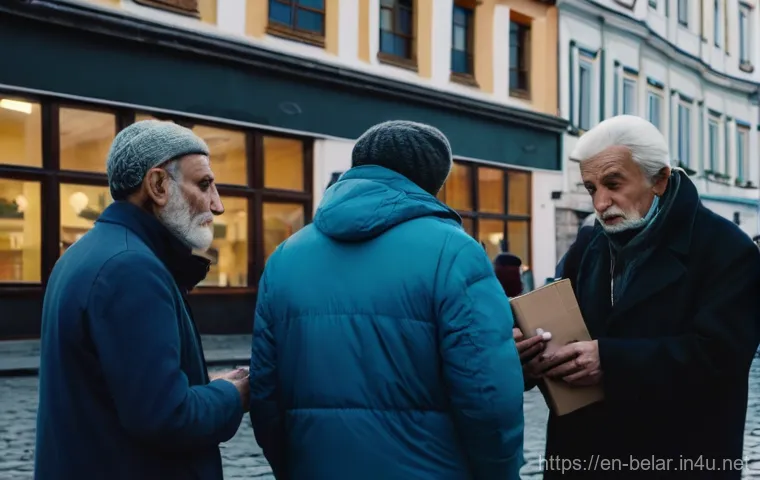
While overt mass protests are no longer a common sight, the spirit of dissent hasn’t entirely vanished; it has simply adapted. What I’ve observed is that expressions of discontent have become more subtle, more localized, and often more digital. People find ways to communicate, share information, and maintain networks through encrypted channels and online platforms, constantly navigating the ever-present threat of state surveillance. The regime, for its part, continues its efforts to control information, including blocking websites and labeling online content as “extremist.” This ongoing cat-and-mouse game highlights the resilience of human connection and the persistent desire for truth and freedom, even in the most restrictive environments. The deep imprint of the 2020 events remains, shaping societal attitudes and fostering a quiet but persistent longing for a different political future. It’s a testament to the human spirit that even when open defiance is suppressed, the underlying yearning for change continues to ripple through society, waiting for the right moment to re-emerge.
The World Reacts: Sanctions, Support, and Shifting Sands
The sheer audacity of the 2020 election fraud and the subsequent brutal crackdown did not go unnoticed on the global stage. I remember thinking, “Surely, the international community won’t stand for this.” And indeed, there was a significant outcry and a concerted effort by many democratic nations to respond. The European Union, the United States, and other countries quickly condemned the election as illegitimate and refused to recognize Lukashenka as the rightful president. This diplomatic isolation was a crucial blow to the regime’s international legitimacy. Sanctions were imposed, targeting Belarusian officials responsible for violence and election falsification, as well as state-owned enterprises. I believe these sanctions were an attempt to exert economic pressure, hoping to compel the regime to change its course. However, it’s a complex dance, as sanctions can sometimes inadvertently harm ordinary citizens or push the targeted country further into the arms of its allies. The international response also included significant support for Belarusian democratic forces, often in exile, providing a platform for their voices and offering humanitarian aid to those affected by the repression. It truly showcased a global commitment to democratic values, even when faced with a deeply entrenched authoritarian regime.
A United Front, Mostly
The reaction from the democratic world was largely unified in its condemnation of the Lukashenka regime. Countries like Lithuania and Poland, sharing borders with Belarus, were particularly vocal, offering asylum to opposition leaders and providing significant aid. I personally found it inspiring to see these neighboring nations step up and offer a lifeline to those fleeing persecution. The EU, through its High Representative for Foreign Affairs, Josep Borrell, announced targeted sanctions against those involved in the violence and fraud. These measures were designed to hit the regime where it hurt, while attempting to avoid a full-blown economic collapse that would devastate the general population. Organizations like the UN and the OSCE also played a role, documenting human rights abuses and calling for accountability. It was clear that many in the international community saw the events in Belarus as a challenge to fundamental democratic principles, and they were willing to respond with diplomatic pressure and financial penalties.
The Kremlin’s Shadow: Russia’s Role
However, no discussion of Belarus’s international relations is complete without acknowledging the immense shadow cast by Russia. From the very beginning, Russia has been a steadfast, if complex, supporter of Lukashenka’s regime. I’ve always viewed this as a critical factor in Lukashenka’s ability to withstand both internal dissent and international pressure. The Kremlin views any anti-government movement in a neighboring country with extreme caution, and its support for Lukashenka has been crucial in maintaining his grip on power. This support has deepened Belarus’s political, economic, and even military dependence on Russia, especially since 2020. The deployment of Russian tactical nuclear weapons on Belarusian territory further underscores this strategic alliance, raising serious security concerns for the entire region. It creates a geopolitical tightrope walk for Western nations, as they seek to support democracy in Belarus without provoking an escalation with Russia. This dynamic makes the situation in Belarus incredibly intricate, with its future inextricably linked to the broader geopolitical landscape.
The Ongoing Struggle: Hopes and Hurdles Ahead
As we look to the future, the situation in Belarus remains incredibly complex, a tapestry woven with threads of hope and daunting hurdles. Five years after the pivotal 2020 election, the echoes of those protests continue to resonate, shaping everything from international relations to the daily lives of countless individuals. I’ve often wondered how much resilience a nation can truly possess, and the Belarusians continue to surprise me. While the regime has undeniably tightened its grip, with widespread repression and political prisoners still a harsh reality, the spirit of democratic resistance has not been entirely extinguished. It has simply evolved, adapting to the brutal realities on the ground. The democratic forces, largely operating in exile and led by figures like Sviatlana Tsikhanouskaya, continue their tireless work, meeting with international leaders and advocating for change. I believe their sustained efforts are absolutely crucial in keeping the Belarusian cause alive on the global agenda. The recent, albeit limited, releases of some political prisoners, sometimes as a result of international pressure, offer small glimpses of hope, demonstrating that external engagement can indeed make a difference. However, the path to a truly democratic future for Belarus is fraught with significant challenges, especially given the regime’s deep reliance on Russian support and its unwavering determination to maintain power at all costs.
Sustaining the Fight from Afar
The Belarusian democratic movement, largely concentrated outside the country, continues to be a vital force for change. I’ve been so impressed by their persistent efforts, despite the immense personal sacrifices many have made. Leaders like Sviatlana Tsikhanouskaya have become powerful symbols of a democratic Belarus, engaging with the EU, the US, and other international bodies to advocate for sanctions, human rights, and the release of political prisoners. They are essentially building an alternative government in exile, preparing for a future where democracy can finally take root. This ongoing dialogue with international partners is crucial for maintaining pressure on the Lukashenka regime and ensuring that the plight of Belarusians isn’t forgotten amidst other global crises. I’ve seen them publish reports, speak at international forums, and utilize social media to keep the world informed, reminding us all that the fight for freedom is continuous. Their determination to create an institutional roadmap for political and democratic reform, even from a distance, demonstrates an unwavering commitment to their homeland.
The Shadow of Geopolitics
One of the biggest hurdles facing Belarus is its increasingly complicated geopolitical position. The country’s deep dependence on Russia, particularly economically and militarily, makes any swift shift towards democracy incredibly challenging. Russia’s unwavering support for Lukashenka has effectively created a shield, insulating the regime from much of the international pressure. I often think about how intertwined their fates have become, especially with Belarus’s role in Russia’s ongoing war in Ukraine. This strategic alliance means that any internal changes in Belarus would have significant implications for regional security and for Moscow’s broader geopolitical ambitions. Furthermore, the regime continues its repressive tactics, ensuring that any attempts at internal opposition are swiftly and brutally crushed. This creates a seemingly insurmountable wall for those within Belarus yearning for change. However, I believe that the international community must continue to differentiate between the Lukashenka regime and the Belarusian people, focusing on support for civil society and democratic aspirations while holding the regime accountable for its actions. It’s a delicate balance, but one that is absolutely essential for the long-term prospects of a free Belarus.
| Aspect of Belarusian Protests | Key Characteristics (2020-Present) | Impact on Society/Politics |
|---|---|---|
| Trigger Event | Fraudulent August 2020 Presidential Election, COVID-19 mishandling. | Ignited unprecedented mass mobilization and widespread public disillusionment. |
| Nature of Protests | Massive, largely peaceful, led by women, broad societal participation. | Demonstrated strong societal fracture, fostered new civic identity, challenged regime legitimacy. |
| Regime Response | Systematic, violent repression; mass arrests, torture, incommunicado detention. | Crushed mass movement, forced dissent underground or into exile, created climate of fear. |
| International Reaction | Widespread condemnation, non-recognition of election, targeted sanctions by EU/US. | Diplomatic isolation for regime, strengthened democratic forces in exile, but deepening Russian ties. |
| Current Situation | Ongoing repression, over 1000 political prisoners, civil society forced into exile, Russian dependence. | Brain drain, sophisticated transnational repression, persistent but underground resistance. |
Reaching for Tomorrow: The Vision of a Democratic Belarus
Despite the incredible challenges and the undeniable hardships, the vision of a democratic Belarus, one where human rights and the rule of law are paramount, still shines brightly for many. It’s a dream that I know resonates deeply with countless individuals, both inside and outside the country. The democratic forces, operating often under immense pressure and from exile, are relentlessly working towards this future. They’re not just hoping for change; they’re actively building the foundations for it, developing strategies for a transitional period, and advocating for justice and accountability. I’ve often thought about the sheer mental fortitude it must take to sustain such a fight over years, against such overwhelming odds. Their commitment reminds me that while authoritarian regimes can suppress physical manifestations of dissent, they can never truly extinguish the human spirit’s yearning for freedom and self-determination. The international community, I believe, has a crucial role to play in nurturing this hope, ensuring that the world doesn’t turn a blind eye to the ongoing struggle and continues to provide platforms and support for those working towards a brighter tomorrow for Belarus.
Building Bridges from Exile
The Belarusian democratic movement in exile has become a sophisticated and organized force, establishing bodies like the Coordination Council and the United Transitional Cabinet. It’s truly impressive to see how they’ve managed to create these structures, which act as a de facto alternative government, from outside their homeland. I’ve seen them actively engaging with international organizations and governments, lobbying for stronger sanctions against the regime, and advocating for the release of political prisoners. They are not only documenting human rights abuses but also developing concrete plans for constitutional reform and free elections once a window of opportunity arises. This proactive approach, I believe, is essential. It ensures that when the moment for change finally comes, there will be prepared and legitimate voices ready to guide the country towards a democratic transition. Their work is a beacon, showing that even when physical borders separate a people from their country, the ties of shared aspirations and a common vision can remain incredibly strong and productive.
The Role of International Support
For Belarus to truly embrace a democratic future, sustained international support will be absolutely critical. This isn’t just about condemnation; it’s about active engagement and strategic assistance. Continued pressure through targeted sanctions, coupled with humanitarian aid and support for independent media and civil society, can help create the conditions for future change. I believe it’s vital for global leaders to maintain a clear distinction between the Lukashenka regime and the Belarusian people, ensuring that support reaches those who are genuinely working for democracy. Furthermore, international legal mechanisms can play a role in holding perpetrators of human rights abuses accountable, sending a clear message that such actions will not go unpunished in the long run. The very future of democracy in Eastern Europe, I think, is tied to how the international community responds to challenges like the one in Belarus. It’s a test of our collective commitment to fundamental freedoms and human dignity, and one that we absolutely cannot afford to fail. We must keep the conversation going, keep the pressure on, and keep the hope alive.
Wrapping Things Up
Phew, what a journey we’ve taken through the complex, often heartbreaking, but ultimately resilient story of Belarus. It’s truly incredible to witness the indomitable spirit of a nation yearning for freedom, even in the face of such overwhelming odds. My hope, as always, is that by shedding light on these critical moments and ongoing struggles, we can keep the conversation alive and continue to champion the cause of human dignity and democracy. Remember, every voice, every piece of shared information, makes a difference. Let’s keep Belarus in our thoughts and continue to support those who tirelessly strive for a brighter future.
Handy Information to Keep in Mind
1. Stay Informed Through Independent Sources: In situations like Belarus, where state-controlled media dominates, seeking out independent news outlets and human rights organizations is paramount. Many Belarusian journalists and activists now operate from exile, and their work provides crucial, unfiltered perspectives on events inside the country. Following their updates can offer a more accurate picture than what you might find in mainstream, government-aligned channels, helping you understand the real situation on the ground.
2. Understand the Geopolitical Chessboard: Belarus’s situation is deeply intertwined with broader regional geopolitics, particularly its relationship with Russia. Recognizing this dynamic helps in comprehending why international responses might be complex and why certain actions are taken. Russia’s continued support is a significant factor in the Lukashenka regime’s stability, and understanding this dependency is key to grasping the full scope of the challenges faced by the democratic movement.
3. Support Human Rights and Civil Society: If you’re looking to make a tangible difference, consider supporting reputable international and Belarusian human rights organizations. Many operate with limited resources and provide vital assistance to political prisoners, their families, and independent initiatives. Your contributions, whether financial or through advocacy, can help sustain the crucial work of documenting abuses and advocating for justice, keeping hope alive for those on the front lines.
4. Beware of Disinformation Campaigns: Authoritarian regimes often employ sophisticated disinformation tactics to control narratives and undermine opposition. It’s crucial to approach information critically, verify sources, and be aware of propaganda efforts designed to sow confusion or discredit democratic movements. Developing a keen eye for fake news and state-sponsored narratives will help you navigate complex information landscapes more effectively and contribute to a more informed public discourse.
5. The Long Game of Democracy: Change in entrenched authoritarian systems rarely happens overnight. The struggle for democracy in Belarus is a long-term endeavor that requires sustained attention and patience. While headlines may fade, the underlying commitment of the Belarusian people and the democratic forces remains strong. Keeping this in mind helps manage expectations and reinforces the importance of continuous engagement and solidarity over time, rather than looking for quick fixes.
Key Points to Remember
* The 2020 protests in Belarus were a landmark moment, sparked by fraudulent elections and the government’s mishandling of COVID-19.
* Massive, peaceful demonstrations were met with systematic and brutal repression, including widespread arrests, torture, and a crackdown on all forms of dissent.
* The international community condemned the regime and imposed sanctions, while Russia significantly deepened its political, economic, and military support for Lukashenka.
* Life in Belarus today is characterized by a pervasive climate of fear, an exodus of skilled professionals, and a largely underground or exiled opposition.
* Despite immense challenges, Belarusian democratic forces continue to advocate for change, with ongoing international support remaining crucial for the long-term prospect of a democratic future.
Frequently Asked Questions (FAQ) 📖
Q: uestions
A: bout Belarus’s Political Landscape
Q: What really ignited the massive protests in Belarus following the 2020 presidential election? I remember seeing snippets on the news, but I never fully grasped the root causes.
A: Oh, that’s a question I hear a lot, and it really gets to the heart of things. From what I’ve gathered and felt while following the situation, the 2020 election wasn’t just an election; it was a breaking point for so many Belarusians.
President Alexander Lukashenka has been in power since 1994, and while there’s always been simmering discontent, the 2020 vote felt different. There were widespread, and I mean widespread, allegations of electoral fraud, with many believing the official results, which claimed over 80% for Lukashenka, were simply fabricated.
This wasn’t just about a desire for a new leader, though Sviatlana Tsikhanouskaya, the opposition candidate, certainly galvanized immense support. It was also fueled by a growing frustration with Lukashenka’s long-standing authoritarian rule, a lack of civil liberties, and honestly, his disastrous handling of the COVID-19 pandemic, which many felt he openly downplayed.
When those results came out, it was like a dam broke, and hundreds of thousands of people, from all walks of life, poured into the streets, demanding a fair count and a democratic future.
It was truly unprecedented in scale and passion.
Q: The government’s response to those protests looked incredibly harsh from afar. What kind of impact did that brutal crackdown have on the people and the country, and what has the international community done?
A: You’re absolutely right, the crackdown was nothing short of brutal, and it left a deep, painful mark on Belarus. I remember seeing the horrifying reports.
Security forces used excessive force, including rubber bullets, stun grenades, and even live ammunition in some instances, against peaceful demonstrators.
Thousands were arbitrarily detained, and there were documented cases of torture and ill-treatment, including beatings and other unspeakable abuses in detention centers.
This systematic repression has instilled a pervasive fear, leading hundreds of thousands of Belarusians to flee the country since 2020, seeking safety and freedom elsewhere.
For those who remained, the government has continued its campaign of intimidation against journalists, human rights defenders, and anyone perceived as a critic.
The international community, particularly the European Union, the United States, and the United Kingdom, largely condemned the election results as neither free nor fair.
Many countries, like Poland and Lithuania, do not recognize Lukashenka as the legitimate president. Sanctions have been imposed on Belarusian officials deemed responsible for the violence and election fraud, and there have been calls for the release of political prisoners.
While these sanctions have aimed to pressure the regime, the ongoing human rights violations remind us that the struggle is far from over, and the international community continues to grapple with how to effectively support the Belarusian people without escalating the repression.
Q: Given everything that’s happened, what’s the current political and human rights situation like in Belarus, and what do you think the future holds for this resilient nation?
A: It’s heartbreaking to say, but as of late 2025, the human rights situation in Belarus remains critical, and the political landscape is still incredibly repressive.
The government’s far-reaching crackdown on dissent has only intensified. From what I’ve been following, the Viasna Human Rights Center continues to document a high number of political prisoners – over 1,100 as of August 2025 – and journalists, activists, and even lawyers face continuous repression, including imprisonment and property searches.
We’re seeing ongoing politically motivated trials, even for minors, and individuals returning from exile risk detention. It truly feels like the regime is doubling down on its efforts to crush any form of opposition, with reports from UN experts even suggesting some violations could amount to crimes against humanity.
Freedom of association is severely restricted, and many independent organizations have been forced to dissolve. Looking ahead, it’s difficult to predict a quick resolution.
Lukashenka has managed to retain power, partly due to support from Russia, and his government has systematically dismantled almost all avenues for peaceful opposition.
However, the spirit of the Belarusian people, as seen in those incredible protests, is undeniable. While the mass street demonstrations may have been suppressed, the desire for a different future persists, and I believe that underlying aspiration will continue to shape Belarus’s path, even if the changes are slow and hard-won.
The global community continues to watch, and I hope we can find more effective ways to support those bravely fighting for fundamental freedoms there.